

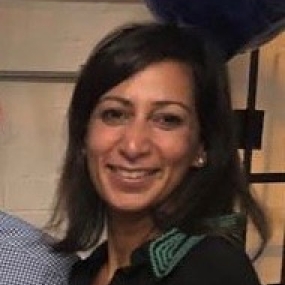
Consultant Anaesthetist, Glasgow Royal Infirmary. Honorary Clinical Associate Professor, University of Glasgow
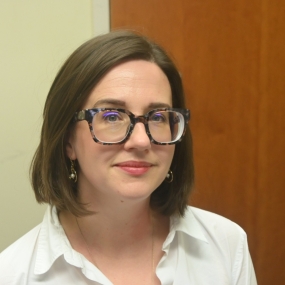
Dr Miriam Stephens, Consultant Anaesthetist and Clinical Director, Department of Anaesthesia and Critical Care, Wishaw General Hospital
1: Bringing Scotland’s Perioperative Community Together: The Birth of SPOMS
The Scottish Perioperative Medicine Society (SPOMS) https://spoms.org.uk/ was born from a simple yet powerful idea: what if Scotland’s perioperative minds could come together to share, collaborate, and innovate? The spark came during a conversation in a preassessment clinic, where the need for a unified platform to connect Consultant and Resident anaesthetists, AHPs and colleagues from across Scotland became clear.
Why SPOMS? Why Now?
Perioperative medicine is an exciting and rapidly evolving subspecialty, gaining prominence in the Royal College of Anaesthetists (RCOA) curriculum. However, with its novelty comes the challenge of delivering high-quality teaching and service redesign at pace, helping embed evidence-based perioperative principles into patient care across Scotland.
Collaboration at the Heart
From the outset, SPOMS prioritised collaboration, engaging with CPOC and working closely with TRIPOM—including hosting a joint session at a Glasgow meeting. This collaborative spirit ensures that Scottish clinicians benefit from national expertise while contributing their own innovations and addressing Scotland’s unique needs.
Early Achievements and Ambitions
- SPOMS has already made significant strides:
- Representatives from every Scottish Health Board and are now involved, alongside surgical and care of the elderly colleagues.
- The group’s first national audit project, led by trainee representatives, surveyed knowledge and clinical practice around GLP-1 agonists—a fast-changing area where guidance is needed.
- SPOMS is committed to sharing and collaborating on guidelines, reducing duplication, and ensuring best practice is spread across the country.
Looking Ahead
Though still in its infancy, SPOMS has launched a winter series of educational events and hosted its inaugural educational conference in June this year, attended by over 100 delegates. We have a new website and mailing list, and the society is keen to hear from anyone interested in joining or supporting their mission.
The Vision
SPOMS is more than just a society—it is a space for innovation, collaboration, and inspiration. In challenging times for the NHS, harnessing enthusiasm and great ideas is more important than ever. SPOMS aims to be the organisation that supports these ideals, with the goal of improving care for patients across Scotland.
2: Prehabilitation Advocate Project West of Scotland
Funded by Macmillan Cancer Support, this 15-month project mapped prehab services, engaged clinical teams, and piloted innovative programmes.
Key achievements include:
- Comprehensive mapping of existing prehab provision for colorectal, head & neck, pancreatic, and prostate cancers. Collaboration with Improving the Cancer Journey managers and dissemination of the WoSCAN Prehabilitation Survey.
- Integration of prehab into patient pathways, presentations to clinical teams, and implementation of pilots with Maggie’s, MorphFit, and the World Cancer Research Fund Cancer and Nutrition helpline.
- Addressing challenges such as transport, data sharing, and staff workload. Proposals for streamlined referral systems and improved governance.
- Delivery of “Talking about Prehab” sessions, creation of resources, and launch of an NHS GGC Staffnet site and social media campaign to boost visibility and confidence among staff.
Patient & Staff Feedback
Patients reported feeling more informed, empowered, and motivated after prehab sessions. Staff valued interactive training and resources, noting increased confidence in discussing prehab with patients.
Recommendations for the Future
- Develop a “Prehab Bundle” for internal NHS referrals and standardise external referral protocols.
- Offer more online and community-based sessions to overcome transport and accessibility barriers.
- Create forums for sharing innovations and challenges across teams.
- Secure long-term funding and permanent prehab roles to embed best practice.
- Make prehab training essential for staff and roll out regular awareness campaigns for both clinicians and patients.
3: Prehabilitation Practitioner and Assistant Practitioner Roles
These MacMillan funded posts are the first AHP (1 Band 5 and 1 Band 4) roles in Scotland to support prehabilitation for patients undergoing cancer treatment. The roles were filled by graduates in Sports and Exercise Medicine and Sports Coaching and both have completed CanRehab training. There has been a steep learning curve in trying to create a workforce able to support staff in existing roles (CNSs, physios. OTs, third sector, charity, and partnerships) as well as develop links with MDTs and specific prehab-focussed roles. It is a work in progress, and we will be able to report on outcomes from the pilot next year.
4: Scottish Government Centre for Sustainable Delivery Perioperative Delivery Group Framework was launched in 2025.
The framework offers a practical guide to NHS Health Boards in Scotland to implement improvements. https://www.nhscfsd.co.uk/media/iixlxloe/a-framework-for-perioperative-services-in-scotland.pdf
Key areas of focus are:
- Scheduling
- Pre-operative assessment
- Protecting Planned care
- Wider team development
- High volume surgery
- Data for improvement
At an event in September, representatives from all 14 Health Boards were invited to share their current priorities and challenges, discuss where national support would be most helpful and to identify actions for the following 6 weeks, 6 months and 18 months during a series of interactive workshops.
So, lots of progress, but still a mountain to climb in terms of embedding what we know works for our patients into routine clinical pathways. Improvements are needed in Primary to Secondary care interface as well as strengthening links with third sector and community partnerships to truly turn waiting lists into preparation lists.
Dr Miriam Stephens, Consultant Anaesthetist and Clinical Director, Department of Anaesthesia and Critical Care, Wishaw General Hospital. President of the Scottish Perioperative Medicine Society.
Dr Sonya McKinlay, Consultant Anaesthetist, Glasgow Royal Infirmary. Honorary Clinical Associate Professor, University of Glasgow. RCoA Scottish Board Perioperative Medicine Representative. CPOC Advisory Group.